





Running a small business can be quite overwhelming sometimes. Between happy customers, mountains of to-dos, and employee management, keeping track of your cash flow can feel like a challenging task. Efficient cash handling procedures are key to keeping your operation running smoothly.
But why collect cash in your daily business? Well, cash is popular among many people. For small businesses that render services or sell goods that often cost below $10, many people will likely pay in cash. Also, there is no processing fee charged on cash payments as opposed to credit/debit payments.
Cash handling may seem straightforward, but with the right procedures, like using a bill counter, you can ensure accuracy and security. This article will guide you through a few best practices in cash handling procedures that will ease your business’ accounting stress and result in fewer errors.
Develop and Adopt a Clear Procedure
Your small business will likely have a few employees who work in shifts. You will want uniformity in the way each employee handles cash. So, create a clear, formal procedure as your first line of defense.
Having a clear plan for how cash is handled keeps things organized and discourages any misunderstandings. This laid down procedure should be reviewed regularly to make adjustments for your new business needs and improvements to the system.
Divide and Conquer with Checks and Balances
Have you ever heard the phrase “too many cooks in the kitchen?” The same goes for cash handling. Assign specific roles for tasks like register duty, making deposits, and counting cash. This allows for checks and balances.
Use a lockable cash drawer and a safe for larger sums of money. Regularly deposit cash from the register to the safe to minimize the amount of money accessible during business hours and also to keep your till organized.
As often as possible, conduct regular, unannounced cash audits to ensure everything is in order. These can help detect discrepancies early and deter theft.
Use Tools and Technology
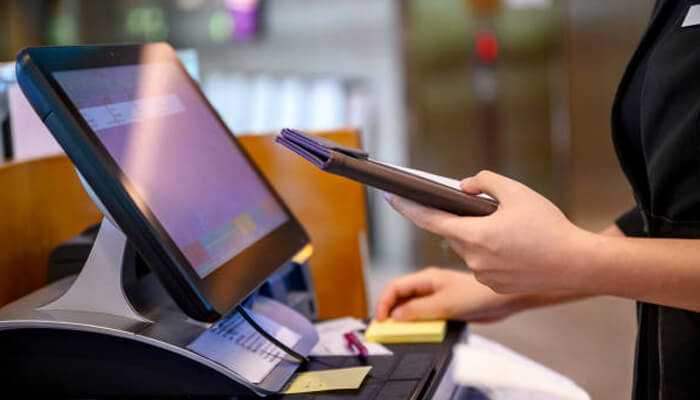
Invest in a reliable point-of-sale (POS) system. These tools not only speed up transactions but also help keep an accurate record of every sale. Many modern POS systems even offer built-in cash tracking features.
Cash counting machines are also great for those busy days. These machines can quickly and accurately count large sums of money, saving time and reducing errors.
You can equally use accounting software that integrates with your POS system. This can automate many aspects of cash management, making it easier to track and reconcile transactions
Maintain a Daily Cash Handling Routine
Begin each day by counting the float amount in the register at the start of the day. Ensure it matches the predetermined amount and log it in your records.
For every sale, ensure the correct amount is entered into the cash register. Confirm all cash received aloud to the customer to prevent mistakes from paying an incorrect amount. When giving change, count it back to the customer to avoid mistakes and confusion.
At the end of each day, count the cash in the register and compare it to the sales records. Any discrepancies should be noted and investigated immediately.
It’s best to have a limit to how much cash can be in the register. Once this limit is reached, withdraw the cash, count twice, and deposit it in the bank.
