




By definition, a sole proprietorship identifies a single person who is handling all the business operations. This is a commonly found type of business ownership. And the sole proprietor is a natural man. He or she is not a legal entity or person. Also, the sole proprietor owns everything about the business. This is one of the reasons why sole proprietorships are famous around the world.A single person will own any profit generated by the business. Also, these are entrepreneurs who don’t share any legal entities. In fact, to launch a sole proprietorship business, you don’t have to register or even be incorporated. Thus, this is one of the simplest forms of business you can think of.
Anyone interested in launching a medium- or small-scale business would find the concept of this useful.
Important features of sole proprietorship
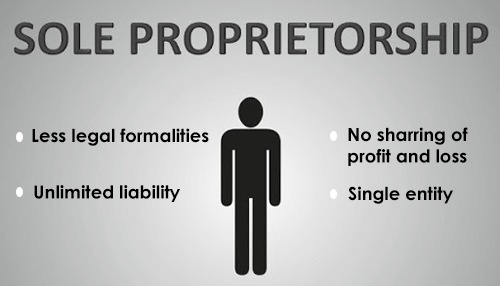
Just like every other type of business, a sole proprietorship comes with many impressive features. Here are a few important features to focus on:
- This ownership model doesn’t have any legal formalities. There are no laws or regulations to govern this kind of ownership. Regional authorities do not obligate business owners to follow specific rules. Additionally, the business doesn’t involve any kind of registration or incorporation. However, it is important for the business to have a license. The license identifies an individual authorized to engage in business activities.
- Sole proprietorships suffer serious liability issues. The business and the owner are never separated. This increases the liability of the owner. In the event that the business suffers a loss or debt, the owner will be severely impacted. In fact, there are times when the owner has to sell his or her personal assets to meet the debts.
- When the business experiences success, the owner is likely to see all the profits. Why? Because he or she is the only owner of the business. The sole owner doesn’t have to share his or her profits with any of the shareholders. Mainly because the business does not have any.Full profits compromise the risk he takes.
- Treat the business and its owner as a single entity. Both have a common identity. The sole proprietorship completely depends on the business owner and his ideas. This means imprisonment, death, retirement, and insanity will affect the functionality of the business. When the business owner’s life comes to an end, the business will also come to an end.
Types of sole proprietorship
There are three common types of sole proprietorships. The concept discussed so far focuses on self-employed business owners. These are professionals who engage in business or trade with the intention of making money. The venture can be a full-time or part-time source of income. This type of sole proprietorship doesn’t have any contracts with any stakeholder or client.
Another common type of sole proprietorship would be independent contractors. Self-employed business owners comprise this group. Yet, they function more like employees. Bigger brands hire an independent contractor.They perform specific tasks, but their pay does not have taxes withheld.Also, the independent contractor will not be subject to benefits like insurance coverage. Meanwhile, the perks of being an independent contractor are inspiring. You will have the freedom to take up or even decline assignments. This is an option traditional employees don’t have.
Franchise

The last type of sole proprietorship would be a franchise. Most of the time, the franchisee will pay a franchisor for the use of brand items, ingredients, recipes, and more.The franchisee typically adheres to the terms and conditions set by the parent company.In this business model, royalties have to be paid. But if you are someone with zero business experience, this type of sole proprietorship will be useful.
