




These days, businesses are about more than, well, doing business. After all, customers are looking to have a personal stake in the brands they support. Not only that, they’re on the hunt for omnichannel experiences rather than just products and services.
87% of businesses agree that there’s a pressing need for a better customer experience, and making it happen boils down to an omnichannel approach.
Although the concept of omnichannel might seem like little more than a buzzword, such experiences have become staples of brands both big and small. Rather than treating the likes of sales, marketing, and business intelligence as totally separate silos, businesses are taking the data they gather to tailor-make experiences on behalf of their customers.
And to do the same yourself, you don’t need to reinvent the wheel.
Below is a breakdown of five ways to ease yourself into an omnichannel approach to marketing and sales. Regardless of what you’re selling, consider how these tools and tactics can “stack” on top of each other.
1. Apps
One of the most powerful components of an omnichannel presence is the ability to consistently connect with customers via mobile. Smartphone usage outweighs that of typical desktops in so many cases. Meanwhile, the ability to engage with customers around the clock is a game-changer.
This is especially true for brands who’ve created native apps for their businesses. Sure, social media and email have their place in the omnichannel experiences (see below), but app notifications are truly “can’t-miss.”
As noted by Buildfire: “Push Notifications have a 90%+ read rate and are incredibly effective at driving user action.”
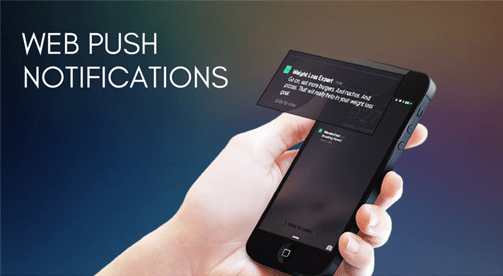
This explains why app usage continues to tick upward as more and more brands want to capitalize on the ability to get people’s undivided attention. Think of app experiences as touchpoints that tie the right of your sales and marketing strategies together.
2. Email
While email may be regarded as an old-school means of marketing, its place in omnichannel advertising is unparalleled.
For starters, email is arguably the best way to capture information about your customers and likewise segment your buyer list. This allows you to roll out email personalization techniques such as specially tailored offers based on past purchasing behavior. Furthermore, you can send specialized messages based on where your leads came from (referral, opt-in, and so on).
Much like mobile phones, people are still spending tons of time in their inboxes. Regularly scheduled emails and drip campaigns not only encourage repeat business but also keep your brand fresh in the minds of past customers is a must-do.
3. Social Media
Social media’s role in omnichannel ecommerce is rather telling. While some might struggle to see an ROI on social media, it’s the perfect place to encourage repeat business without being too in-your-face about it.
From content marketing to user-generated content, social followers can have a greater stake in your business by familiarizing themselves with your brand post after post. These touchpoints create a sense of trust that reinforces a positive relationship.
This positive relationship can result in dollars and cents, especially if you can cross-promote your offers via social to buyers who know what you’re all about.
4. Advertising
Don’t count on the power of paid advertising.
This is the piece of omnichannel experiences that’s easy for brands to overlook. There’s certainly a time and place for relying on organic-only, but modern ads can tie into your social and email efforts to score sales.
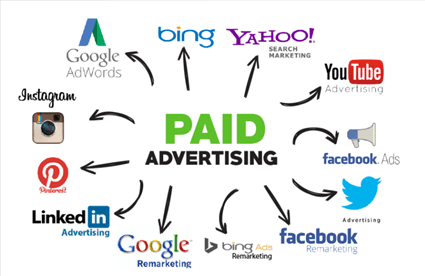
Facebook remarketing is a prime example of this. Paid ads that speak to former site visitors and customers can serve as a much-needed nudge to get people back into your funnel who otherwise might bounce altogether.
As a bonus, drilling down to a specific target audience ensures that your ads are always on point. This results in not only more touch-points with relevant customers but also gives you more bang for your buck with your ad budget.
5. Brand Advocacy
The final piece of an effective omnichannel experiences strategy comes in the form of brand advocacy.
Sometimes the most powerful marketing messages don’t come from your mouth. Former customers posting pictures or testimonials, for example, serve as powerful social proof to seal the deal with skeptics. Meanwhile, brand advocacy from employees instantly introduces your offers, deals, and promotions to people who may otherwise never see them.
In a day and age where businesses are trying to hit customers from all angles, flesh-and-blood people are arguably your most powerful assets. Encouraging consistent sharing and conversations among your customers is a prime place to start.
The more avenues and opportunities you have to make an impression on your customers, the better. The question remains, though: are you taking full advantage of them? The tactics used in tandem represent a solid starting point for any business looking to adopt an omnichannel marketing and sales strategy ASAP.
