



The world of energy is rapidly changing. As the world becomes more conscious of the impact of traditional energy sources on the environment, there is an increasing need for clean and renewable sources of energy. Hydrogen fuel cell technology is one such source, and it is gaining popularity due to its many benefits over traditional fossil fuels. However, as with any new technology, there are challenges to be overcome. Hydrogen sensors are one such challenge, but they are also the key to unlocking the full potential of hydrogen fuel cells. In this article, we will explore how hydrogen sensors are changing the future of energy.
What are Hydrogen Sensors?
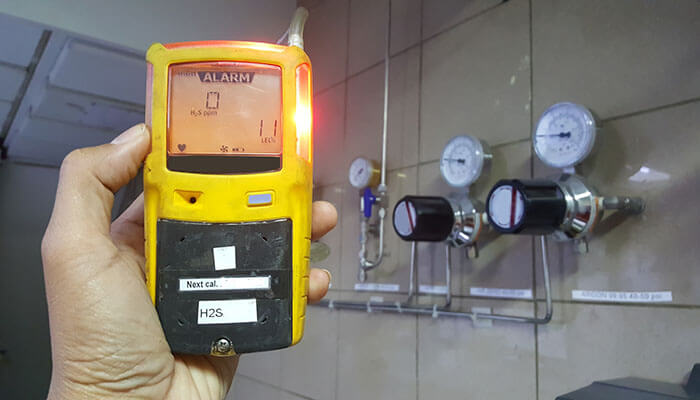
Hydrogen sensors are devices that detect the presence of hydrogen gas. They are an essential component of hydrogen fuel cell technology. Hydrogen fuel cells produce electricity by combining hydrogen and oxygen in a chemical reaction. The by-product of this reaction is water, making it a clean and renewable source of energy. However, hydrogen is a highly flammable gas, which makes safety a major concern. Hydrogen sensors are used to detect any leaks of hydrogen gas, which could lead to a potentially dangerous situation. At 21-Senses.com you can check different types of Hydrogen Analyzer which can accurately analyze Hydrogen in Helium and Hydrogen in Combustible Gasses.
The Importance of Hydrogen Sensors
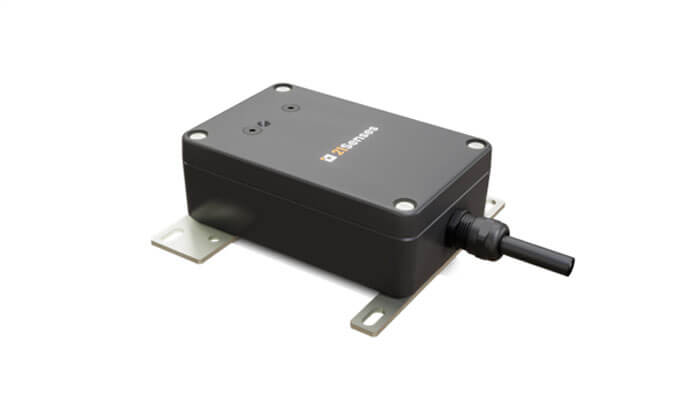
Hydrogen sensors are essential for the safe operation of hydrogen fuel cell technology. They are used to detect leaks of hydrogen gas, which could potentially lead to a fire or explosion. In addition, hydrogen sensors are used to monitor the performance of hydrogen fuel cells. By detecting any changes in the concentration of hydrogen gas, they can help to identify any issues with the fuel cell system. This allows for early detection of problems, which can help to prevent costly damage to the fuel cell system.
The Challenges of Hydrogen Sensors
Despite the importance of hydrogen sensors, there are still challenges to be overcome. One of the biggest challenges is the cost of hydrogen sensors. Currently, hydrogen sensors are relatively expensive, which can make them cost-prohibitive for many applications. In addition, there are challenges with the reliability of hydrogen sensors. They can be affected by factors such as temperature, humidity, and other gases in the environment. This can lead to false readings, which can be a safety hazard.
The Future of Hydrogen Sensors
Despite these challenges, the future of hydrogen sensors looks bright. There is ongoing research and development into new and improved hydrogen sensors. One area of research is the development of low-cost, high-performance sensors. Researchers are exploring new materials and technologies that can improve the performance and reliability of hydrogen sensors, while also reducing their cost.
The Benefits of Hydrogen Fuel Cell Technology
Hydrogen fuel cell technology has many benefits over traditional fossil fuels. One of the biggest benefits is its environmental impact. Hydrogen fuel cells produce electricity without producing any harmful emissions, making them a clean and renewable source of energy. In addition, hydrogen fuel cells are highly efficient, with a conversion efficiency of up to 60%. This is much higher than traditional internal combustion engines, which have an efficiency of around 20-30%.
Conclusion
Hydrogen fuel cell technology has the potential to revolutionize the world of energy. However, to fully realize its potential, there are challenges that need to be overcome. Hydrogen sensors are one such challenge, but they are also the key to unlocking the full potential of hydrogen fuel cells. With ongoing research and development, the future of hydrogen sensors looks bright. As the technology continues to improve, we can look forward to a future powered by clean and renewable hydrogen fuel cell technology.
